

Compliments are like small gifts wrapped in words. When given thoughtfully, they brighten someone’s day, strengthen relationships, and create meaningful connections. But not all compliments land the same way. The difference between awkward flattery and sincere appreciation often comes down to politeness, timing, and intention.
Let’s explore how to give compliments in a respectful, genuine way that makes people feel valued rather than uncomfortable.
Why Compliments Matter in Everyday Life
A genuine compliment can do more than make someone smile; it can boost confidence, encourage positive behavior, and build trust. Think about the last time someone sincerely praised your work or character. It probably stayed with you longer than expected.
Compliments serve as social glue. They help create warmth in conversations, strengthen bonds, and encourage kindness in daily interactions.
The Psychology Behind Genuine Praise
People naturally crave recognition. When someone notices their effort or qualities, it satisfies a basic emotional need for appreciation. Genuine praise triggers positive emotions and increases motivation.
However, insincere compliments can feel manipulative. That’s why authenticity is essential; people can sense when words don’t match intentions.
Understanding the Art of Polite Compliments
Giving compliments politely is an art form. It requires awareness, empathy, and respect.
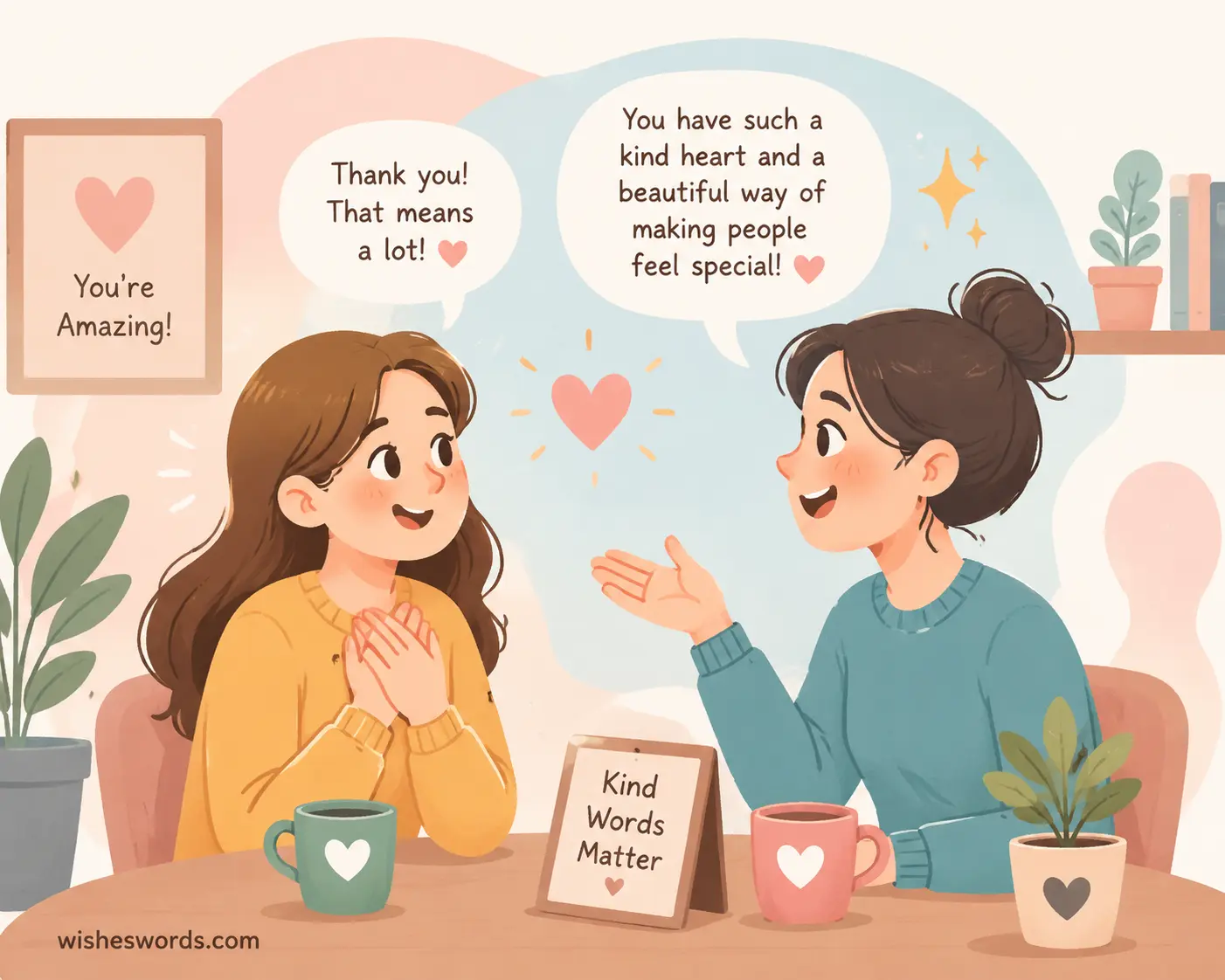
What Makes a Compliment Polite and Genuine
A polite compliment is:
- Sincere and honest
- Respectful of boundaries
- Specific and thoughtful
- Appropriate for the situation
- Free from hidden motives
Instead of exaggerating, focus on genuine appreciation.
Common Mistakes to Avoid
Avoid these common errors:
- Overly personal comments
- Backhanded compliments (“You look good for your age”)
- Excessive flattery
- Comments that create pressure
- Comparing people to others
A compliment should lift someone up, not make them question your intentions.
Polite Ways to Compliment Someone’s Appearance
Appearance is often the easiest thing to notice, but it requires careful wording.
Respectful Compliments About Style
Focus on choices rather than physical traits:
- That color looks great on you.
- I like your sense of style.
- Your outfit is very elegant.
These statements appreciate effort and personal taste without crossing boundaries.
Complimenting Without Being Intrusive
Keep comments brief and respectful. Avoid overly detailed remarks about someone’s body or features, especially in professional or unfamiliar settings.
A simple compliment can be powerful when delivered with sincerity.
Polite Ways to Compliment Personality Traits
Character-based compliments often mean more than surface-level praise.
Praising Kindness and Character
You can acknowledge positive qualities such as:
- Generosity
- Honesty
- Patience
- Reliability
For example: “You’re always so thoughtful toward others.”
These compliments recognize who a person is, not just what they do.
Appreciating Emotional Intelligence
Recognizing emotional awareness shows deep respect:
- You handle stressful situations really well.
- You’re great at understanding people.
Such praise validates inner strengths that often go unnoticed.
Giving Professional and Workplace Compliments
Workplace compliments should remain respectful and focused on performance.
Complimenting Work Performance
Professional praise should highlight effort and results:
- You did an excellent job on that project.
- Your presentation was clear and engaging.
- I appreciate your attention to detail.
These compliments reinforce positive work habits.
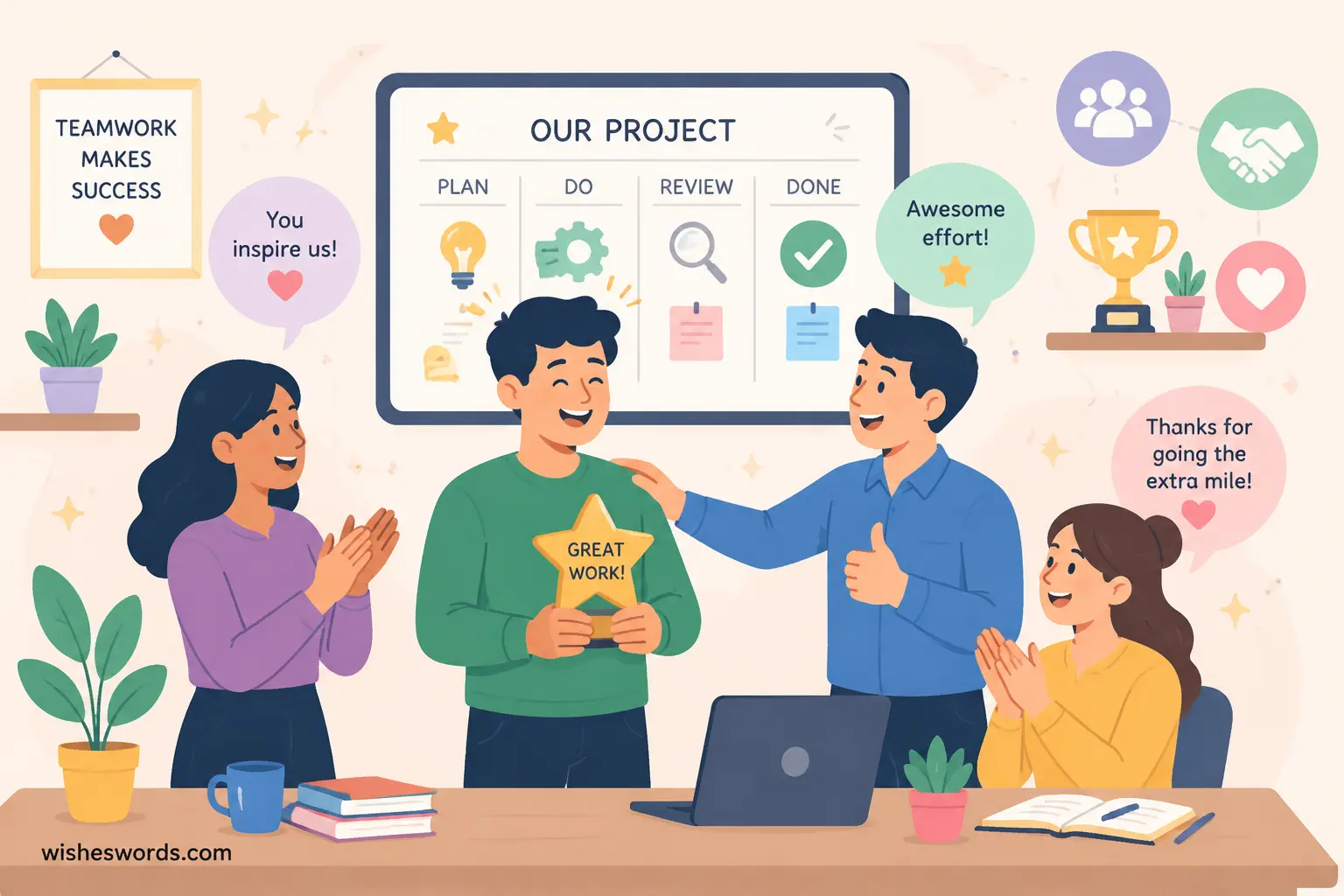
Encouraging Team Members Effectively
Encouragement improves morale and productivity. When people feel valued, they perform better and collaborate more effectively.
Examples of Professional Compliments
- Your leadership really helped the team succeed.
- You consistently deliver high-quality work.
- Your problem-solving skills are impressive.
Professional compliments build respect and trust.
Complimenting Skills and Talents
Recognizing someone’s abilities encourages growth and confidence.
Recognizing Effort Over Talent
Instead of praising natural ability, acknowledge effort:
- You worked really hard on this.
- Your dedication shows in the results.
Effort-based compliments motivate continued improvement.
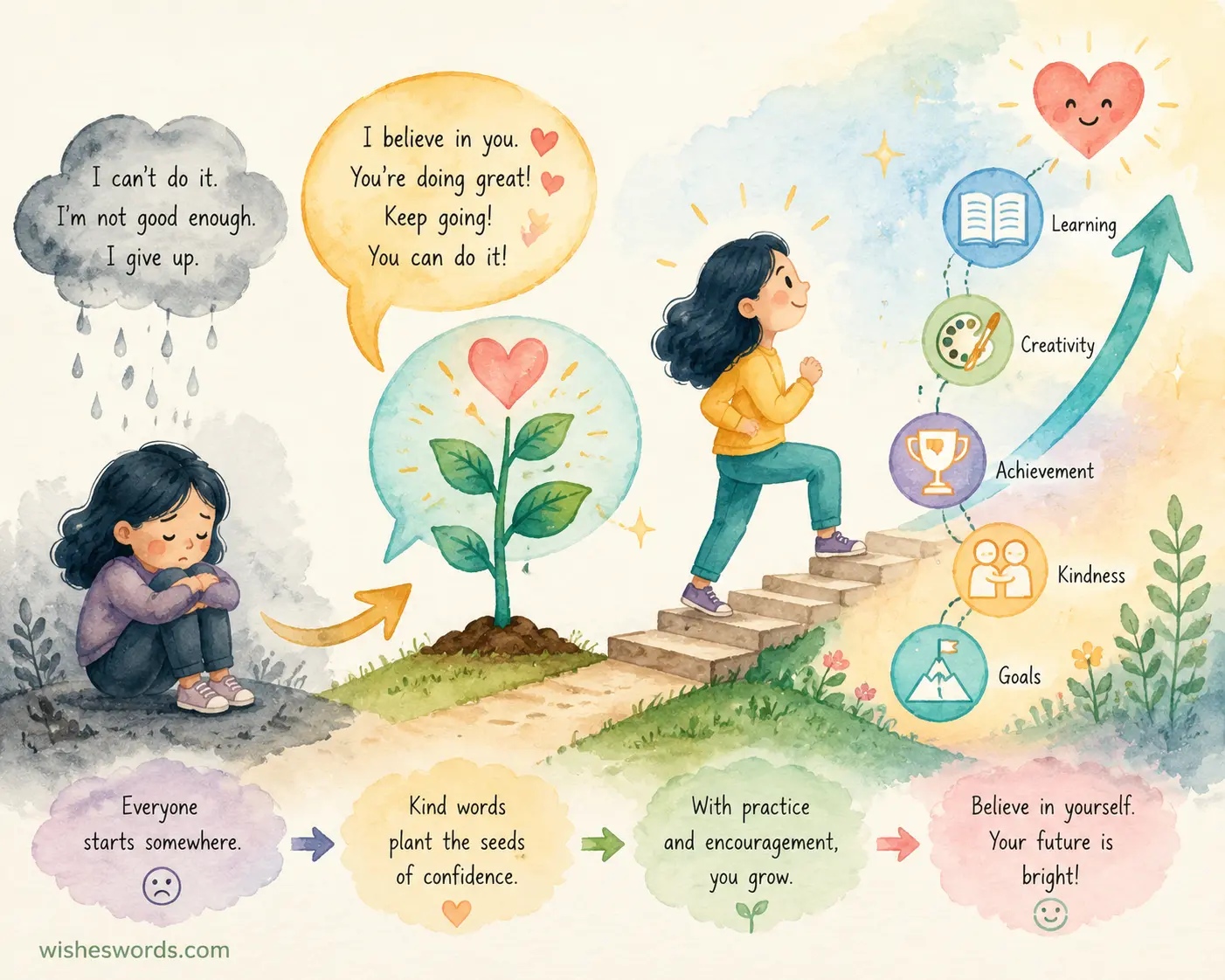
Encouraging Growth Through Praise
Constructive compliments inspire progress. They communicate belief in someone’s potential.
Think of compliments as water for growth; they nurture development.
Polite Compliments in Social Situations
Social settings offer many opportunities to express appreciation.
Complimenting Hosts and Friends
When visiting someone’s home:
- Thank you for having me; everything was wonderful.
- Your home is beautiful and welcoming.
These compliments show gratitude and respect.
Compliments in Casual Conversations
Small compliments can make everyday interactions more pleasant:
- That was a great idea.
- You explain things so clearly.
Simple words can transform ordinary moments.
Cultural Awareness When Giving Compliments
Cultural norms influence how compliments are perceived.
Understanding Boundaries
Different people have different comfort levels. When unsure, choose neutral compliments focusing on achievements or effort.
Respecting Personal Preferences
Some individuals prefer modesty and may feel uncomfortable receiving praise publicly. Always consider context and personality.
Timing and Delivery of Compliments
Even the best compliment can fall flat if delivered poorly.
When to Give Compliments
The best time is often immediately after noticing something positive. Prompt appreciation feels genuine and spontaneous.
Tone, Body Language, and Sincerity
A warm tone, natural smile, and eye contact reinforce sincerity. Words alone aren’t enough; delivery matters.
How to Accept and Respond to Compliments
Communication is a two-way street.
Gracious Responses
Accept compliments with gratitude:
- Thank you.
- I appreciate that.
Avoid dismissing praise, as it may appear ungrateful.
Building Positive Communication
Accepting compliments graciously encourages mutual respect and healthy interaction.
The Power of Specific Compliments
Specific compliments are more meaningful than generic ones.
Why Specific Praise Matters
Instead of saying “Good job,” explain what impressed you. Specific feedback shows genuine attention.
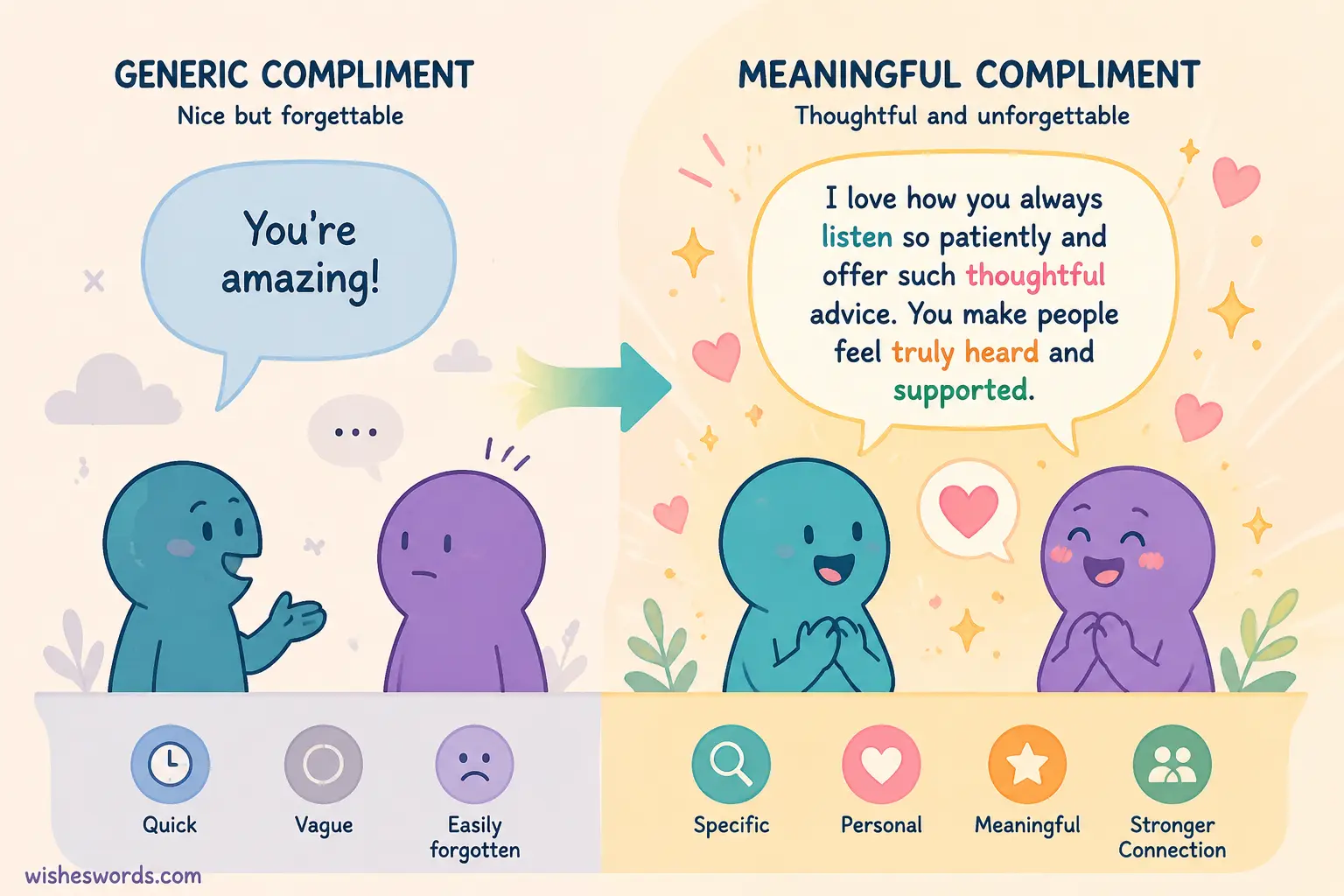
Examples of Specific vs. Generic Compliments
- Generic: “Nice work.
- Specific: “Your attention to detail made that report easy to understand.
Specificity makes praise memorable.
Overcoming Awkwardness When Giving Compliments
Many people feel uncomfortable giving praise, but practice helps.
Building Confidence
Start small. Offer simple compliments in everyday situations. Confidence grows with repetition.
Keeping It Natural
Speak naturally and avoid rehearsed phrases. Authenticity matters more than perfect wording.
Benefits of Giving Polite Compliments
Kind words create lasting positive effects.
Strengthening Relationships
Compliments build trust, respect, and emotional connection. They communicate appreciation and understanding.
Boosting Emotional Well-Being
Giving compliments feels good too. Acts of kindness increase happiness for both giver and receiver.
Conclusion
Polite compliments are simple yet powerful tools for building meaningful connections. When given with sincerity, respect, and awareness, they uplift others and strengthen relationships. Whether appreciating someone’s work, character, or effort, thoughtful praise creates positivity that spreads far beyond a single conversation.
The next time you notice something admirable, say it. A few kind words can make a lasting difference.
FAQs
1. What makes a compliment sound genuine?
A genuine compliment is specific, sincere, and free from exaggeration. It focuses on real qualities or efforts.
2. How often should you give compliments?
Give compliments naturally when you notice something positive. Avoid overdoing it to maintain authenticity.
3. Are compliments about appearance appropriate in professional settings?
It’s best to focus on professional achievements or work-related qualities rather than physical appearance.
4. How can you avoid awkwardness when giving compliments?
Keep your words simple, natural, and brief. Focus on sincerity rather than perfection.
5. Why are specific compliments more effective?
Specific compliments show genuine attention and make praise more meaningful and memorable.

Andy Dupree is an American content writer born in 1995 with a passion for writing fantasy stories and lighthearted humorous poetry loved by social media audiences. he has brought his creative talent to our platform to help users find the right words for different situations and joyful occasions. andy enjoys traveling around the world, drawing inspiration from diverse cultures to craft engaging and meaningful content.good morning messages for whatsapp.