
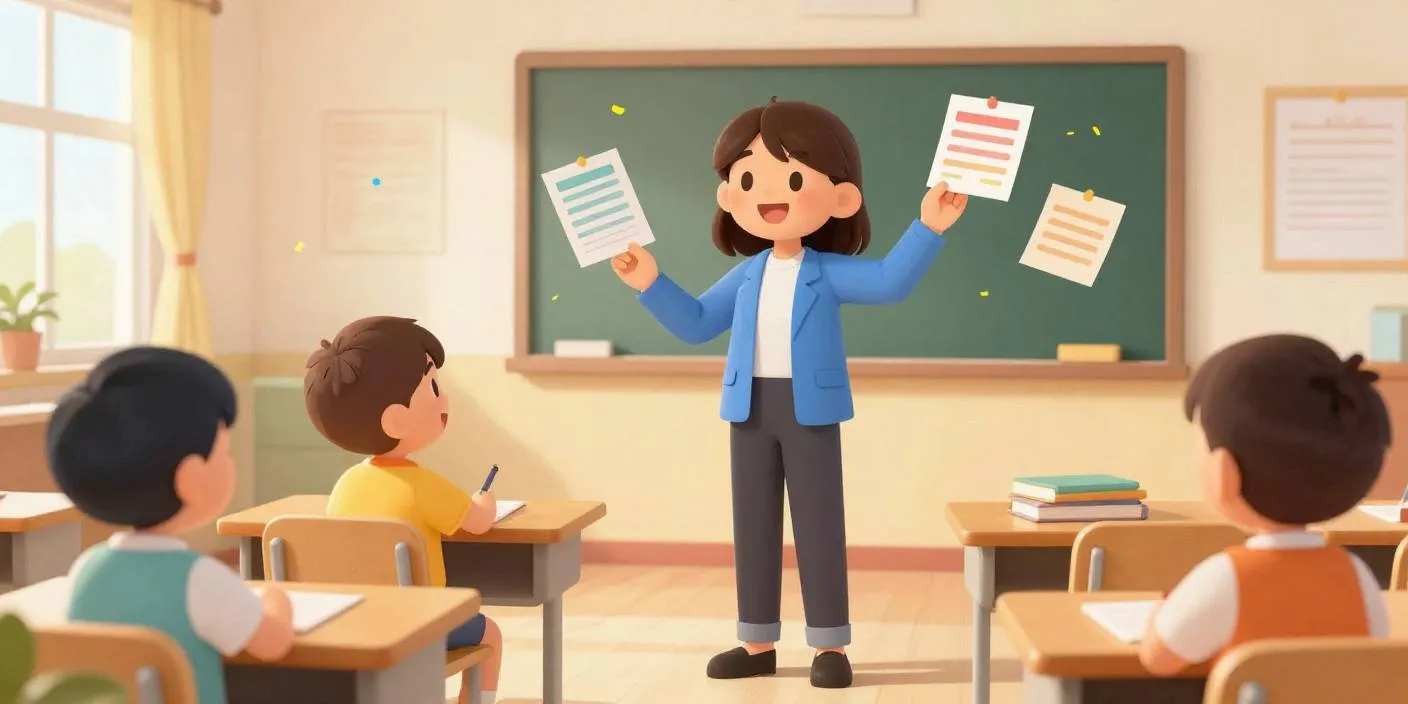
Teachers spend countless hours shaping minds, solving problems, calming fears, and inspiring confidence, yet many of them rarely hear how deeply they impact lives. A heartfelt compliment can feel like sunshine breaking through heavy clouds after a long school week. Think about it for a moment; teachers are often balancing lesson planning, grading, classroom management, meetings, and emotional support for students all at once. Amid all that pressure, simple words of appreciation can become fuel that keeps them going. According to recent education workplace surveys, many teachers report feeling undervalued despite the enormous responsibilities they carry daily. That’s why meaningful compliments are not just polite gestures; they are emotional encouragement that reminds educators their efforts matter.
Students may forget certain lessons over time, but they rarely forget a teacher who made them feel capable, safe, or understood. Compliments help reinforce that connection. A sentence as simple as “You make learning exciting” can stay with a teacher for years because it validates their passion and hard work. Teachers are human beings before they are educators, and like everyone else, they need reassurance that their contribution is meaningful. Genuine praise can reduce burnout, strengthen teacher morale, and even improve classroom energy. It creates a ripple effect where appreciated teachers become even more motivated to inspire their students.
The Emotional Impact of Appreciation
Appreciation touches something deeper than professional recognition. It speaks directly to the heart. Many teachers enter the profession because they want to make a difference, not because they expect fame or huge financial rewards. When students or parents acknowledge that impact, it reminds teachers why they chose this demanding path in the first place. Compliments become emotional anchors during difficult times, especially when workloads increase or challenges arise in the classroom.
Imagine spending hours preparing lessons only to wonder whether anyone truly notices the effort. Then suddenly, a student says, “You explain things better than anyone else.” That single statement can transform an exhausting day into a meaningful one. Appreciation acts like emotional oxygen for educators. It reassures them that their patience, dedication, and care are visible. Many teachers save thank-you notes and messages for years because those words become treasured reminders of their purpose and influence.
How Positive Feedback Motivates Educators
Positive feedback does more than make teachers smile; it encourages them to keep innovating and improving. Educators who feel appreciated often become more enthusiastic, creative, and connected with their students. Compliments can motivate teachers to continue trying new teaching methods, organizing engaging activities, and supporting struggling students with renewed energy. Recognition creates confidence, and confidence often translates into better educational experiences for everyone involved.
Research in workplace psychology consistently shows that employees who receive genuine appreciation tend to perform better and remain more committed to their roles. Teachers are no exception. Whether it comes from students, parents, colleagues, or administrators, encouraging words can strengthen resilience and passion. Compliments may seem small, but they carry extraordinary emotional weight in educational environments where stress levels are often high.
What Makes a Compliment Meaningful
Not all compliments have the same impact. Generic phrases like “You’re nice” are pleasant, but detailed and sincere compliments create stronger emotional connections. Meaningful compliments focus on specific qualities, actions, or experiences that demonstrate genuine appreciation. Teachers can usually tell the difference between polite flattery and authentic gratitude. That authenticity is what makes praise memorable.
A meaningful compliment often reflects observation and thoughtfulness. For example, saying, “You always make shy students feel included,” carries more emotional depth because it highlights a specific behavior and its positive effect. Teachers appreciate knowing exactly how they are helping students grow emotionally or academically. Personalized compliments feel real because they show someone has truly paid attention to the teacher’s effort and character.
Sincerity Over Fancy Words
The best compliments are not necessarily the most poetic or elaborate. Simple, honest words often carry the strongest emotional impact. You don’t need complicated vocabulary to make a teacher feel appreciated. A heartfelt sentence spoken sincerely can mean more than a long speech filled with generic praise. Teachers interact with hundreds of students and parents throughout their careers, so authenticity stands out immediately.
For instance, saying, “You believed in me when I didn’t believe in myself,” can touch a teacher deeply because it reveals emotional truth. Compliments rooted in real experiences create genuine human connection. Sincerity transforms ordinary words into unforgettable moments. Teachers value emotional honesty because it confirms that their guidance truly made a difference in someone’s life.
Personalization Creates Lasting Memories
Personalized compliments show that a teacher’s unique qualities have been noticed and appreciated. Instead of offering broad praise, mentioning specific examples makes compliments more powerful and memorable. Maybe a teacher stayed after class to help with difficult homework, encouraged creativity during projects, or supported students during stressful exams. Highlighting those moments demonstrates meaningful appreciation.
Teachers often remember personalized compliments for decades because they connect directly to their mission as educators. A compliment like, “Your history stories made me actually love history,” reveals how the teacher transformed learning into an engaging experience. Personalized praise is powerful because it reflects emotional impact rather than surface-level admiration. It says, “You changed something for me,” and that message carries tremendous value.
Best Compliments for Teachers From Students
Students are often the people whose opinions matter most to teachers because they experience the classroom firsthand every day. Compliments from students can validate years of hard work and dedication. The best student compliments usually focus on inspiration, kindness, teaching ability, or emotional support. These comments often become lifelong memories for educators.
Some of the most meaningful compliments students can give include:
| Compliment | Why It Matters |
|---|---|
| “You make learning fun.” | Shows the teacher creates engaging lessons |
| “I actually understand this subject because of you.” | Recognizes teaching effectiveness |
| “You always believe in your students.” | Highlights emotional support |
| “Your class is the best part of my day.” | Reflects positive classroom atmosphere |
| “You inspired me to work harder.” | Acknowledges motivational influence |

These compliments matter because they connect directly to a teacher’s purpose. Teachers want students to feel encouraged, curious, and capable. When students express those feelings openly, it confirms the educator’s impact in a deeply personal way.
Compliments About Teaching Style
Teaching style plays a huge role in how students experience education. Some teachers use humor, storytelling, hands-on projects, or interactive discussions to keep students engaged. Complimenting these methods acknowledges the effort teachers put into making lessons effective and enjoyable. Statements like “You explain difficult topics so clearly” or “Your classes never feel boring” can make teachers feel recognized for their creativity and skill.
Students often underestimate how much preparation goes into a well-organized lesson. Behind every engaging activity lies hours of planning and adaptation. When students compliment teaching style, they validate those invisible efforts. Teachers appreciate hearing that their methods are making a real difference because it encourages them to continue refining their approach.
Compliments About Patience and Kindness
Patience is one of the most important qualities a teacher can have. Many students struggle with confidence, learning differences, anxiety, or personal challenges. Teachers who remain calm, supportive, and understanding during those moments leave lasting impressions. Compliments about kindness and patience often mean the world to educators because they reflect emotional impact rather than academic performance alone.
Saying something like “You never make students feel embarrassed for asking questions” recognizes emotional safety within the classroom. That’s incredibly valuable. Kindness creates trust, and trust helps students learn more effectively. Teachers who cultivate compassionate learning environments deserve recognition for that emotional labor, which often goes unnoticed despite being essential to student success.
Compliments About Inspiration and Motivation
Some teachers do more than teach subjects; they inspire dreams, confidence, and ambition. Students frequently remember educators who encouraged them during moments of self-doubt or pushed them to aim higher than they thought possible. Compliments about inspiration carry enormous emotional significance because they reveal long-term influence.
Comments such as “You helped me discover my potential” or “You inspired me to pursue this career” can become defining moments in a teacher’s life. Educators rarely know the full extent of their influence, so hearing these words provides powerful reassurance. Inspirational teachers shape futures in ways that extend far beyond classrooms and textbooks.
Best Compliments for Teachers From Parents
Parents witness the emotional and academic growth of their children over time, which gives their compliments unique importance. Teachers often work closely with families to support student development, so positive feedback from parents can feel incredibly rewarding. Parents who acknowledge a teacher’s effort strengthen the partnership between home and school while boosting educator morale.
A thoughtful compliment from a parent might focus on communication, dedication, empathy, or academic support. For example, “You helped my child regain confidence in school” speaks volumes because it highlights transformation rather than routine instruction. Teachers invest emotionally in their students, and hearing that their work positively affected a child’s life can be deeply moving.
Appreciating Classroom Dedication
Teachers dedicate enormous amounts of time to planning lessons, grading assignments, organizing activities, and supporting students individually. Parents who notice and acknowledge this commitment can make teachers feel genuinely valued. Compliments like “Your dedication never goes unnoticed” or “You clearly care deeply about your students” recognize effort that often happens behind the scenes.
Dedication is especially visible when teachers go beyond minimum expectations. Staying after school to help struggling students, responding thoughtfully to parents, or adapting lessons for different learning styles demonstrates extraordinary commitment. When parents acknowledge these efforts sincerely, it creates encouragement that can sustain teachers through challenging periods.
Praising Communication and Support
Strong communication between teachers and parents builds trust and improves student outcomes. Teachers who keep parents informed, listen carefully, and provide emotional support deserve recognition for those relationship-building efforts. Compliments focused on communication validate an essential part of teaching that requires patience, empathy, and professionalism.
Parents often appreciate teachers who make them feel included in their child’s educational journey. Saying, “You always make us feel heard and supported” highlights that collaborative relationship. Teachers who communicate effectively help reduce anxiety for both students and parents while creating stronger educational partnerships.
Short Compliments for Teachers
Sometimes a short compliment can carry surprising emotional power. Quick messages are perfect for greeting cards, emails, classroom notes, or social media posts. Even brief appreciation can brighten a teacher’s day and remind them that their work matters. The key is sincerity, not length.
Here are some effective short compliments for teachers:
- You make learning exciting.
- Thank you for believing in me.
- Your kindness changes lives.
- You inspire students every day.
- The world needs more teachers like you.
- You make difficult subjects easier.
- Your patience is incredible.
- You are truly appreciated.
- You make students feel valued.
- Your passion for teaching shows.

These concise compliments work because they communicate appreciation clearly and emotionally. Short words can still leave lasting impressions when they come from the heart.
One-Line Compliments for Cards
Teacher appreciation cards often become treasured keepsakes. A meaningful one-line compliment can transform a simple card into a cherished memory. Phrases like “You helped me become more confident” or “Your encouragement changed my perspective” carry emotional depth despite their simplicity. Teachers frequently save these notes for years because they represent personal impact.
A handwritten card also feels more intimate and genuine than a quick digital message. The physical act of writing appreciation adds emotional value. It tells teachers someone took time specifically to acknowledge their efforts and kindness.
Compliments for Social Media Posts
Social media has become a popular place to celebrate teachers publicly. A thoughtful caption or post can spread positivity while highlighting the educator’s hard work. Public compliments also help elevate appreciation for the teaching profession overall. Posts such as “Behind every successful student is a teacher who never gave up on them” resonate emotionally while honoring educators.
Tagging teachers during Teacher Appreciation Week or sharing classroom memories online can create uplifting moments. Public recognition often amplifies encouragement because others join in expressing gratitude and admiration.
Funny Yet Respectful Compliments for Teachers
Humor can make compliments even more memorable when used respectfully. Funny compliments help create warmth and connection while still expressing appreciation. Teachers often enjoy lighthearted praise because it reflects positive classroom relationships and shared experiences.
Some funny yet respectful compliments include:
| Funny Compliment | Meaning |
|---|---|
| “You deserve an award for surviving our class.” | Recognizes patience |
| “You explain math better than YouTube.” | Praises teaching skill |
| “Your coffee deserves honorary teacher status too.” | Acknowledges hard work |
| “You make Mondays less terrible.” | Highlights positivity |
| “You should teach teachers how to teach.” | Celebrates excellence |

Humor works best when it remains kind and genuine. Respectful jokes can strengthen emotional connection while making teachers smile during stressful days.
Lighthearted Compliments Students Love
Students often enjoy playful compliments because they feel natural and relatable. A funny compliment can still express admiration effectively while creating memorable interactions. Teachers appreciate humor that comes from affection and respect rather than sarcasm or mockery.
Comments like “You’re basically a superhero with lesson plans” combine humor with heartfelt appreciation. These compliments show students recognize the teacher’s effort while keeping the mood upbeat and engaging.
Humorous Compliments for Teacher Appreciation Week
Teacher Appreciation Week provides a perfect opportunity for creative and humorous praise. Posters, cards, and classroom decorations often include funny slogans that celebrate teachers in entertaining ways. Humor adds energy and personality to appreciation efforts while still honoring educators sincerely.
Messages such as “Thanks for grading our chaos” or “Teaching us deserves overtime pay” can generate laughter while acknowledging classroom realities. Humor becomes a bridge that makes appreciation feel warm, authentic, and memorable.
Compliments for Different Types of Teachers
Different teaching environments require different skills, so tailoring compliments to specific educators can make praise more meaningful. Preschool teachers, high school teachers, and college professors all contribute uniquely to student growth. Personalized compliments reflect awareness of those unique responsibilities.
Compliments for Preschool Teachers
Preschool teachers shape children’s earliest educational experiences, often teaching emotional skills alongside basic academics. Their patience, creativity, and nurturing nature deserve recognition. Compliments like “You make children feel safe and excited to learn” acknowledge the emotional foundation these teachers provide.
Young children require constant energy, compassion, and encouragement. Preschool educators manage emotions, curiosity, and developmental growth simultaneously. Parents deeply appreciate teachers who create joyful and supportive learning environments during these formative years.
Compliments for High School Teachers
High school teachers often guide students through stressful academic pressures, identity development, and future planning. Compliments that recognize mentorship and emotional support can mean a great deal. Statements such as “You prepared us for life, not just exams” highlight their broader influence.
Teenagers may not always express appreciation openly during school years, but many later realize how much certain teachers impacted them. High school educators often become mentors who shape confidence, ambition, and personal growth.
Compliments for College Professors
College professors influence academic specialization, career direction, and intellectual development. Compliments about expertise, mentorship, and inspiration resonate strongly in higher education settings. Saying “Your lectures made me passionate about this field” recognizes both teaching ability and subject mastery.
Professors who challenge students intellectually while remaining approachable often leave lasting impressions. Their guidance can shape professional futures and personal confidence simultaneously.
Creative Ways to Deliver Compliments
The method of delivering a compliment can make it even more impactful. Thoughtful presentation adds emotional significance and demonstrates genuine care. Whether through handwritten letters, public recognition, or creative projects, delivery matters almost as much as the words themselves.
Handwritten Notes and Letters
Handwritten appreciation feels deeply personal in today’s digital world. A carefully written letter allows students or parents to express detailed gratitude and specific memories. Teachers often keep these letters for decades because they become emotional reminders of meaningful impact.
A letter provides space to explain exactly how a teacher changed someone’s life, boosted confidence, or inspired growth. These messages become treasured keepsakes because they capture emotional authenticity in a lasting form.
Public Recognition and Appreciation Events
Public recognition can amplify appreciation and create community-wide positivity around education. Teacher appreciation ceremonies, social media shoutouts, school newsletters, and classroom celebrations all help highlight educators’ contributions. Public compliments also inspire others to express gratitude more openly.
Recognition events remind teachers that their hard work matters not just to individuals, but to entire communities. Celebrating educators publicly helps strengthen respect for the teaching profession while boosting morale.
Conclusion
Teachers shape lives in ways that often extend far beyond academics. They build confidence, inspire dreams, encourage resilience, and create safe spaces where students can grow intellectually and emotionally. A thoughtful compliment may seem small, but for teachers facing demanding schedules and constant responsibilities, sincere appreciation can feel incredibly powerful. Words have the ability to energize, encourage, and remind educators that their efforts truly matter.
Whether the compliment comes from a student, parent, colleague, or community member, authenticity is what makes it memorable. Specific, heartfelt praise carries emotional weight because it reflects real impact. From funny one-liners to deeply personal letters, every genuine expression of gratitude contributes to a culture where teachers feel respected and valued. Sometimes the simplest words; “You changed my life”; become the greatest reward an educator could ever receive.
FAQs
1. What is the best compliment to give a teacher?
The best compliment is one that is sincere and specific. Saying something like “You helped me believe in myself” often means more than generic praise because it highlights personal impact.
2. How can students compliment teachers respectfully?
Students can compliment teachers respectfully by focusing on qualities such as kindness, patience, teaching ability, or encouragement. Keeping compliments genuine and appropriate is important.
3. Why do compliments matter to teachers?
Compliments remind teachers that their hard work and dedication are appreciated. Positive feedback boosts morale, motivation, and emotional well-being.
4. What are short compliments for teachers?
Examples include “You inspire me,” “Thank you for your patience,” and “You make learning fun.” Short compliments can still carry strong emotional meaning.

5. How can parents show appreciation to teachers?
Parents can express appreciation through handwritten notes, emails, small gifts, public recognition, or sincere verbal compliments acknowledging the teacher’s support and dedication.

Leo John is a 24-year-old American content writer and editor with a deep passion for writing meaningful messages.
He specializes in heartfelt letters, wishes, and quotes that help people express emotions and strengthen their relationships.
Combining artistic insight with emotional storytelling, Leo turns everyday feelings into words that bring people closer togeth